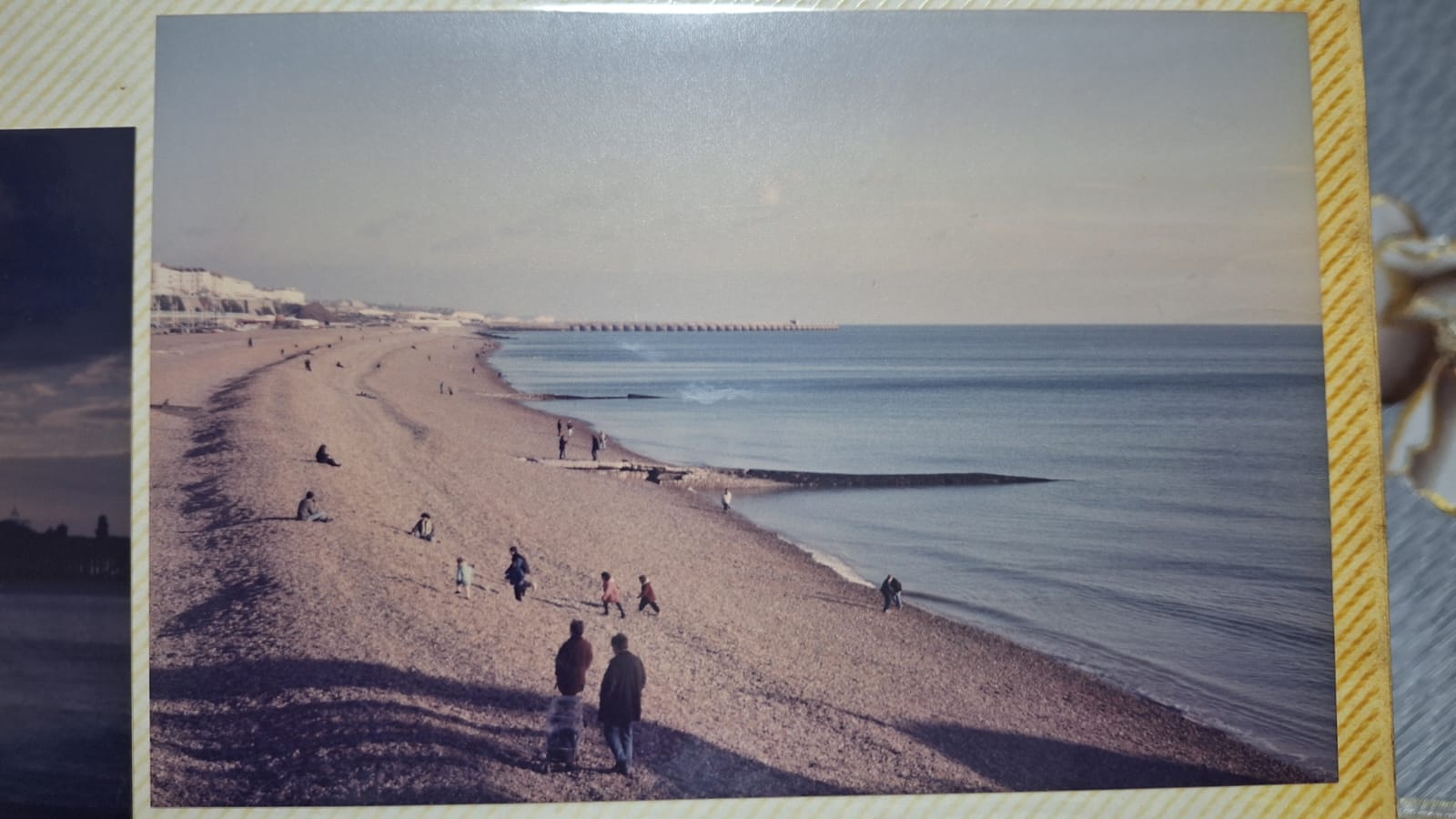


Scroll through social media lately and something unexpected keeps appearing – 2016. Old pop songs are trending again, decade-old dance challenges are resurfacing and sunset photos using the vintage “Rio De Janeiro” filter are popping up across TikTok and Instagram.
Many of them carry the same caption: “the worst day in 2016.”
The phrase is half joke, half nostalgia. But it reflects something real: for many people online, 2016 has become a symbol of a time that felt simpler.
A Simpler Internet
The internet in 2016 looked very different from today. Social media felt less polished, trends spread more casually and users posted more freely without worrying too much about algorithms or aesthetics.
Now, those memories are resurfacing. TikTok users are recreating lip-syncs that once dominated early social media, while songs from that era are climbing back onto playlists.
A phrase that has begun circulating online, “2026 is the new 2016 – captures this feeling. While the comparison is often made jokingly, it highlights a deeper sentiment. For many people, 2016 represents a moment before life became more complicated.
It was before lockdowns, before constant streams of serious news, and before many young people had to step fully into adulthood.
Nostalgia tends to resurface during uncertain times, and the internet has become a place where people collectively revisit those memories.
When Pop Stars Join the Throwback

The revival has not gone unnoticed by the artists who helped define that era.
Pop singer Zara Larsson, whose hit Lush Life dominated playlists in 2016, has acknowledged the renewed attention to her music online. Clips of her iconic dance from the song are now circulating again as users recreate the choreography.
Other celebrities have also started sharing photos and memories from that period on their own social media pages.
What began as a nostalgic trend among everyday users has gradually grown into something bigger, a shared cultural throwback supported by the very artists who shaped that moment.
Looking Back for a Moment of Escape
Of course, 2016 itself is not returning. What people are revisiting online is a softened, nostalgic version of that year.
Replaying a familiar song or recreating an old trend offers a brief escape from the present. For a few seconds, it allows users to step back into a memory that feels familiar and uncomplicated.
When people say “2026 is the new 2016,” they are not comparing the two years directly. Instead, the phrase captures a shared longing for a time that now feels lighter and easier in hindsight.
And in a fast-moving online world, sometimes a throwback is exactly what people are looking for.